



Home Bulletproof CarsHow bulletproofing works
From Your Car to an Armoured Vehicle — The Complete Process
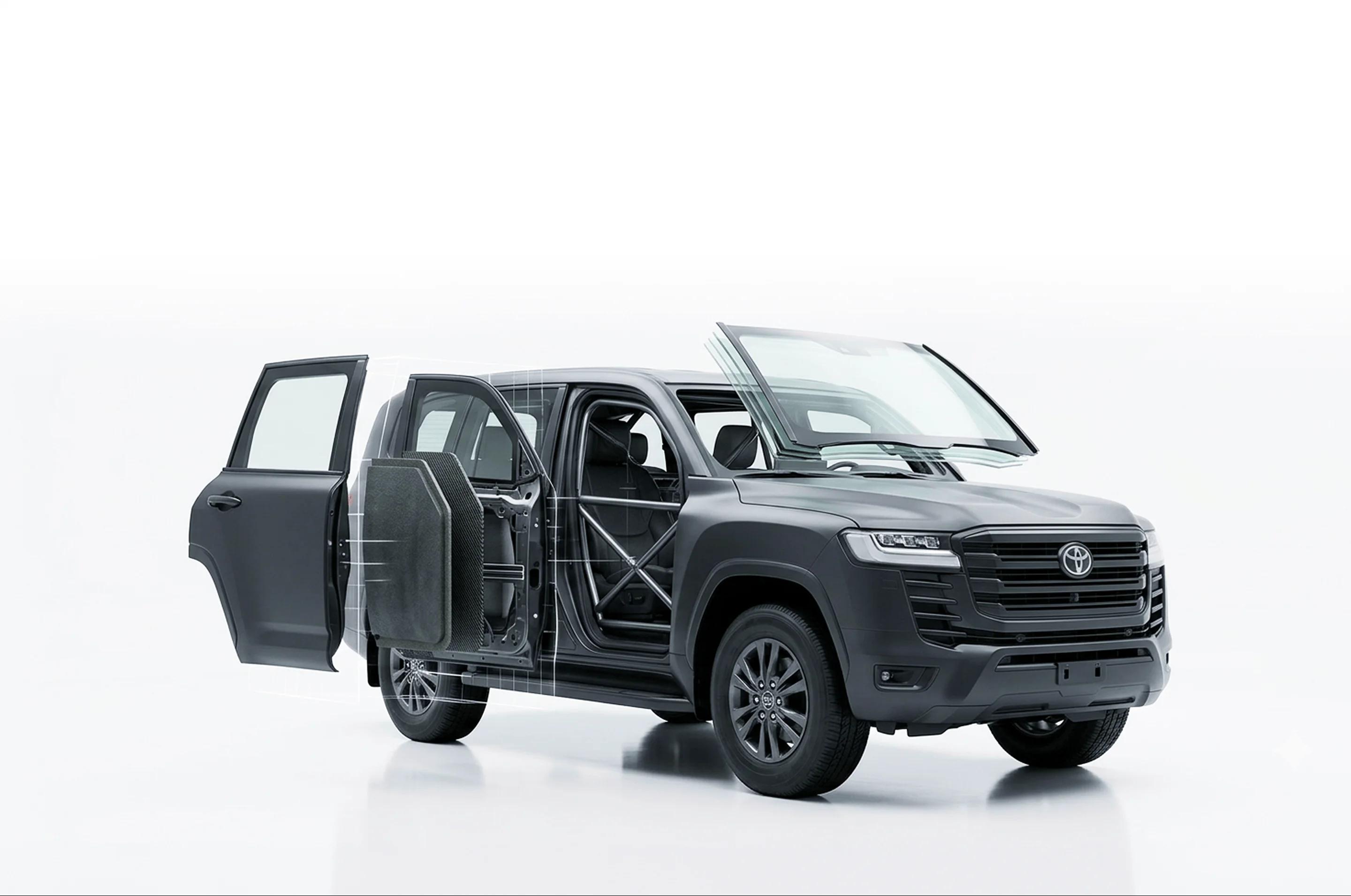
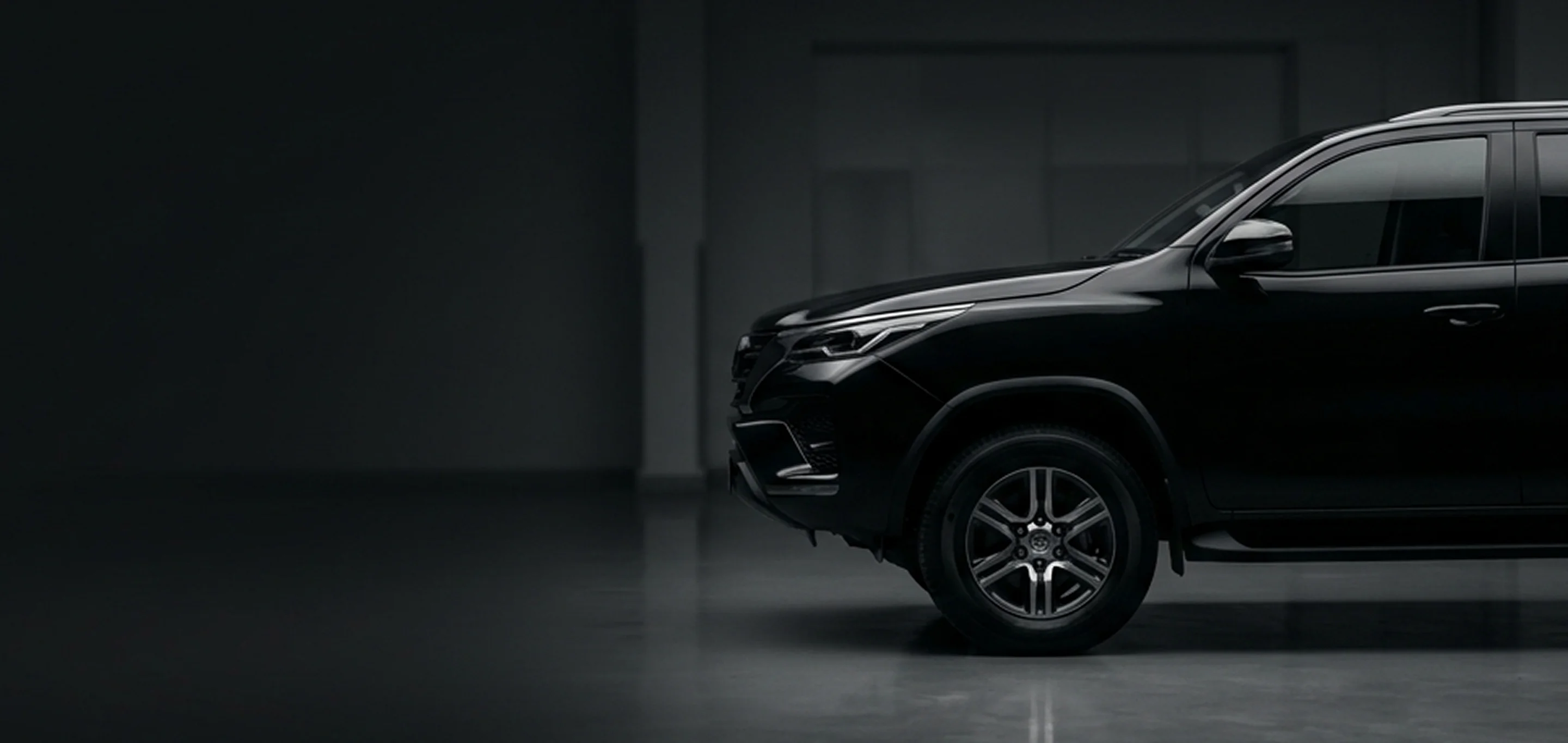
The most important thing to know: a properly armoured vehicle looks completely identical to the original. No visible change to exterior or interior. Discreet protection is the entire point.
How we turn your car into
an armoured vehicle
Explore the complete vehicle armouring process, including ballistic materials, bullet-resistant glass, reinforced panels, and precision installation designed to protect your vehicle while maintaining its performance and functionality.
The five armouring systems
01 — Ballistic steel plating
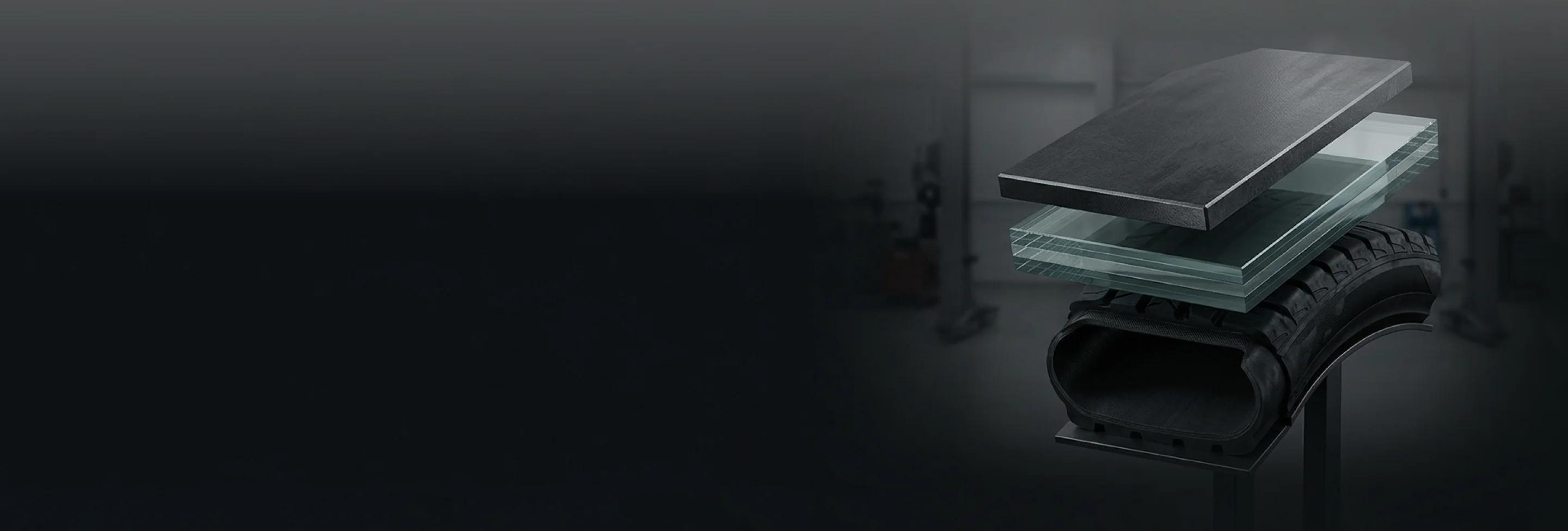
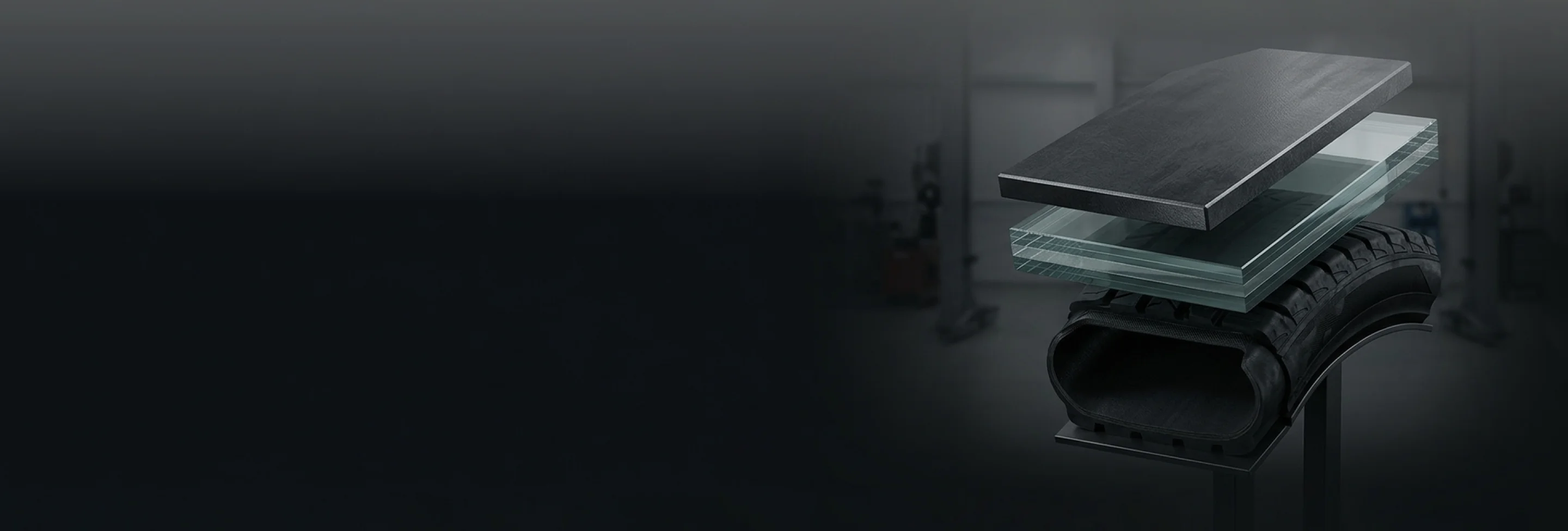
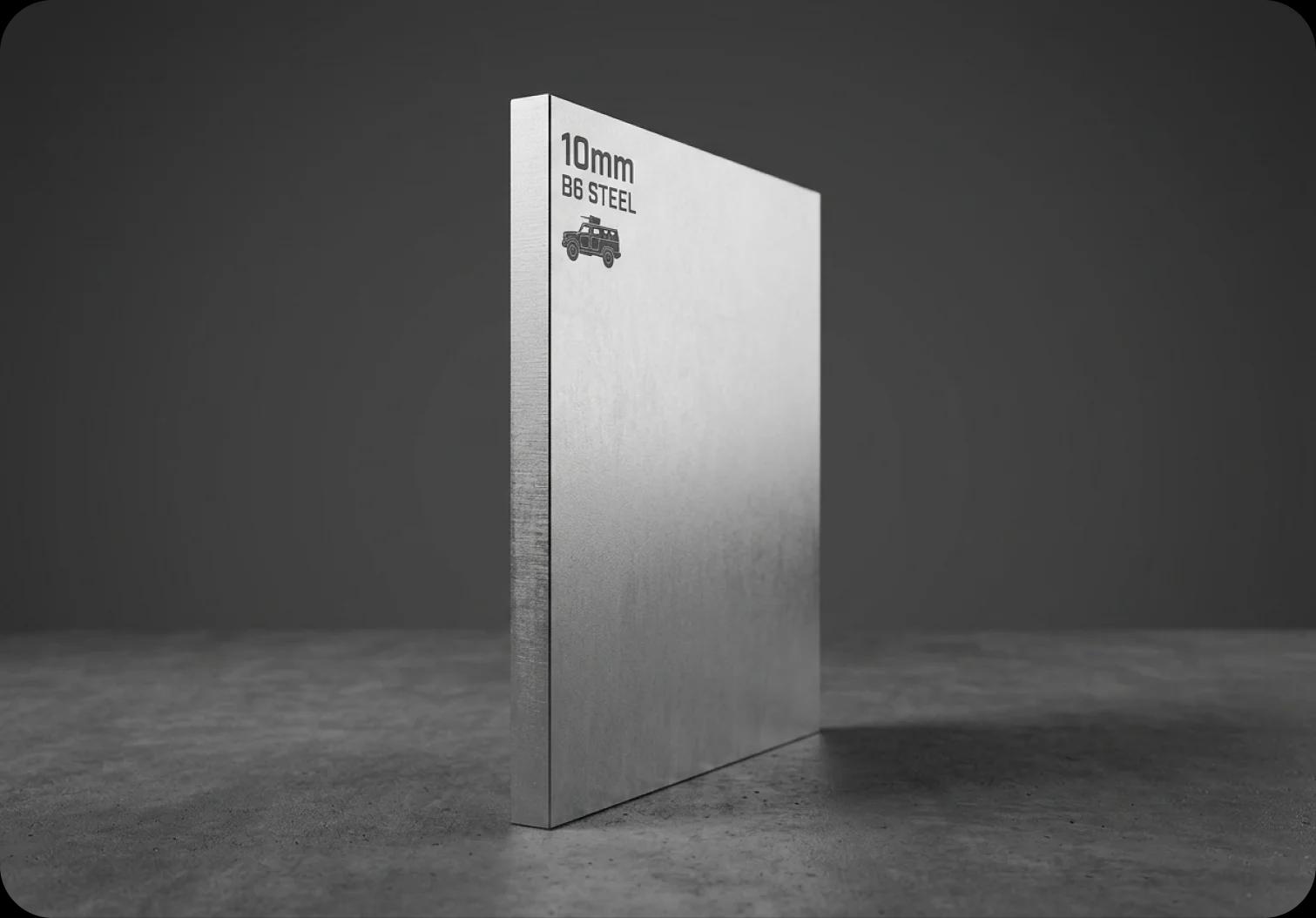
High-hardness ballistic steel panels (Armox or equivalent) are fitted to the doors, floor, firewall, B-pillars, and roof. Thickness ranges from 6–9mm for B4 and 10–12mm for B6. The steel is fitted behind the original interior panels — invisible to anyone inside or outside the vehicle.
02 — Multi-laminate ballistic glass
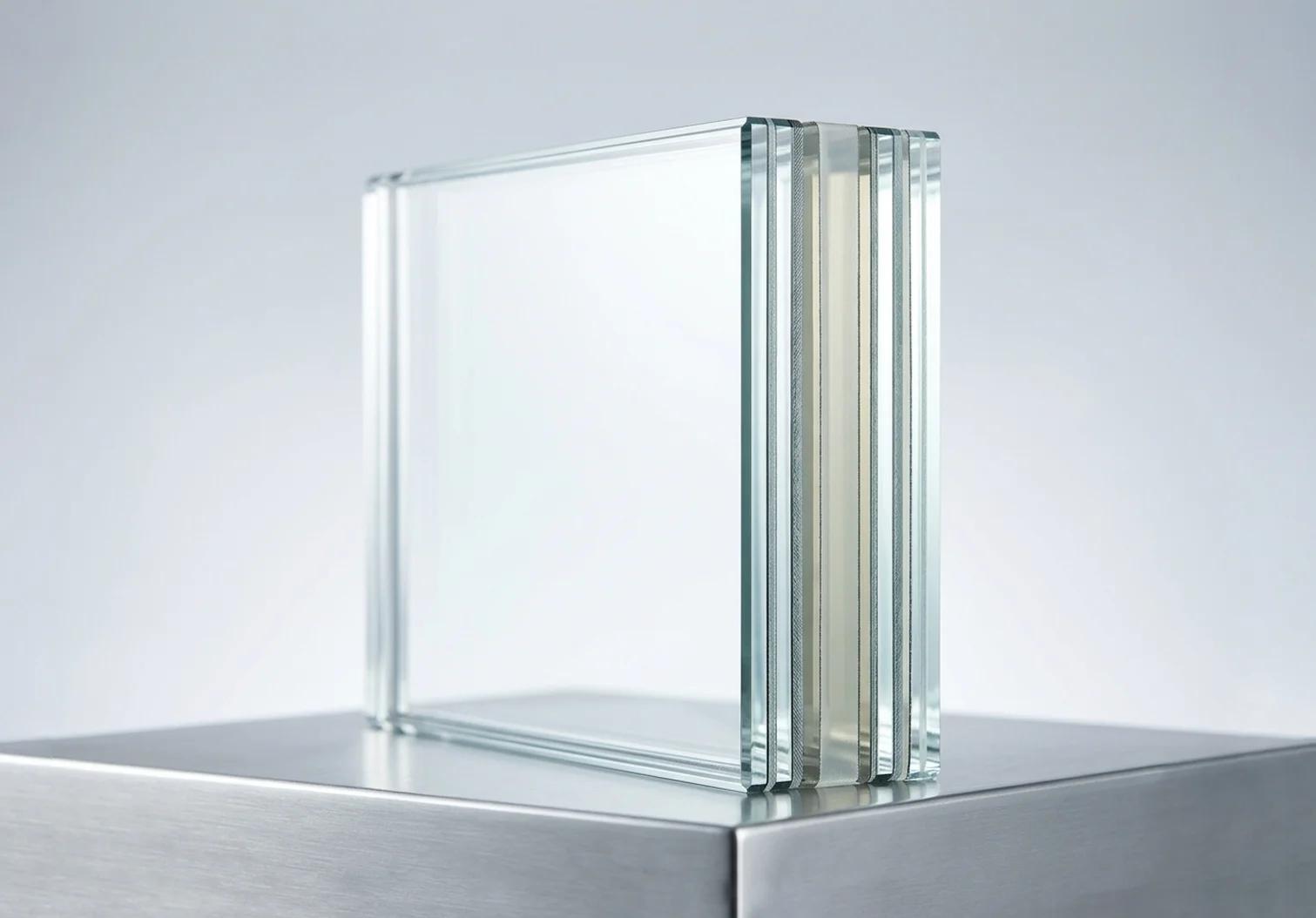
All original glass is replaced with ballistic-rated multi-laminate glass — a sandwich of glass, polycarbonate, and bonding layers. B4 glass is typically 32–38mm thick; B6 glass is 40–50mm thick. The glass looks identical to OEM.
03 — Door overlap armouring
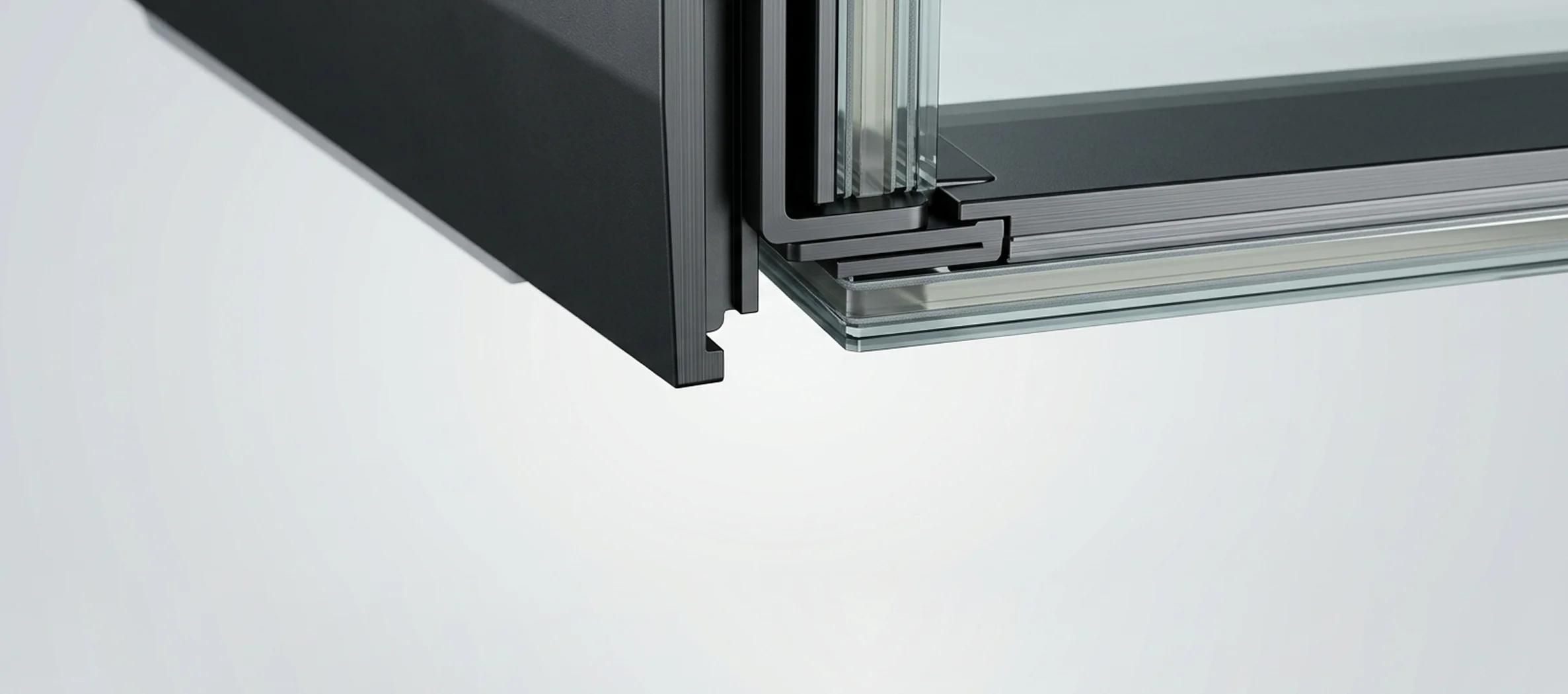
The gap between door edges and the body — the most common point of ballistic failure — is protected with overlapping steel lips. Without door overlap, a bullet can pass through the gap between panels. This is what separates a certified armouring job from a cheap imitation.
04 — Run-flat tyre system
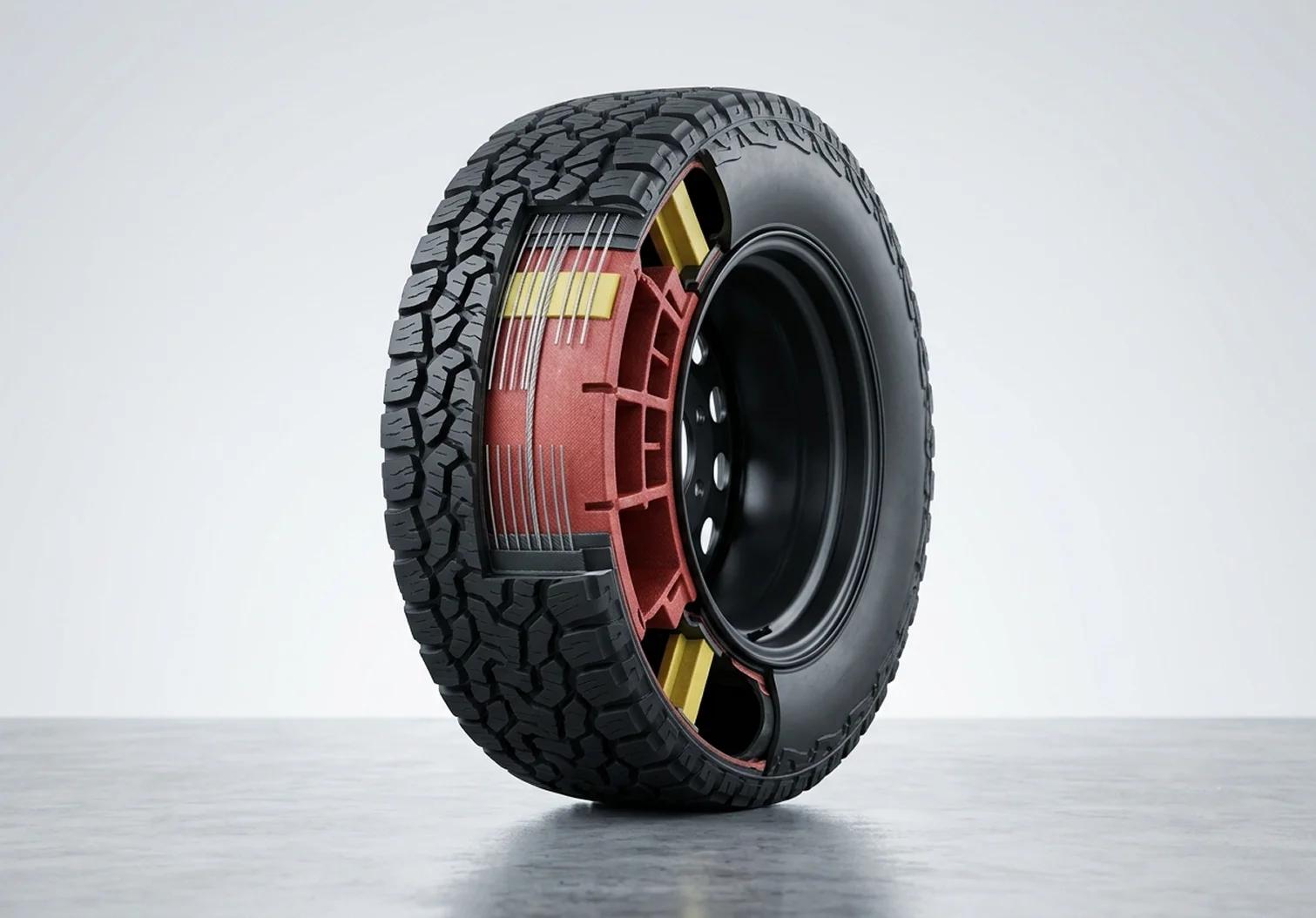
Run-flat inserts are fitted inside all four tyres. If all four tyres are shot out simultaneously, the vehicle can continue at 50 km/h for up to 80 km — enough to clear any threat zone. Standard in all BBT armouring packages.
05 — Suspension and brake reinforcement
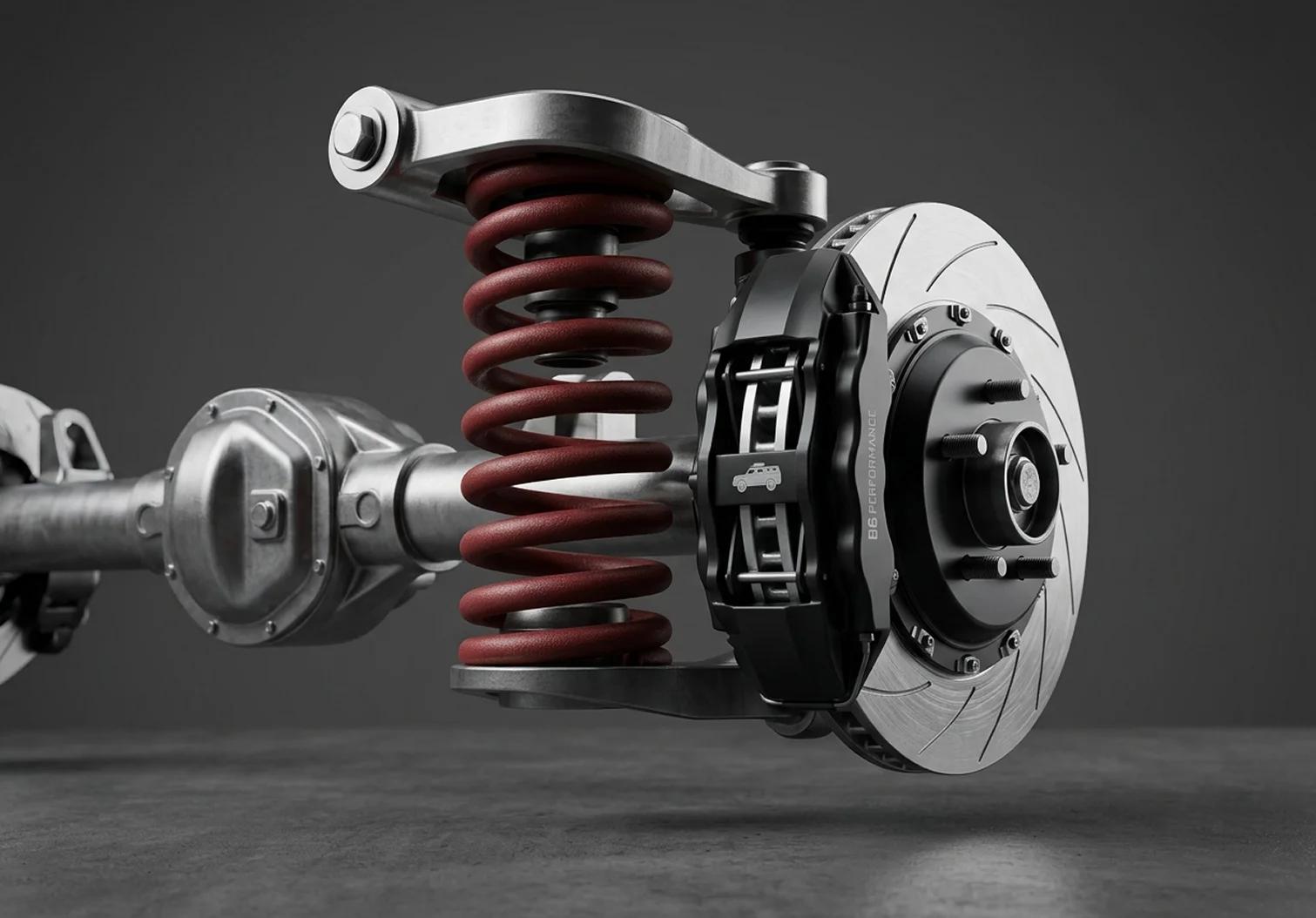
Armouring adds 120–300 kg to a vehicle depending on protection level. Suspension springs and dampers are uprated. Brake performance is re-tested post-armouring. The vehicle handles slightly differently but performance is fully maintained.
The armouring process
— start to delivery
Complete vehicle ballistic transformation from initial
engineering to safe final delivery.
Vehicle assessment (1–2 days)
Your vehicle is inspected for structural suitability — chassis integrity, mileage, mechanical condition. Most vehicles under five years old qualify with no pre-work. Older vehicles may need suspension prep or structural reinforcement first.
Interior strip-down (2–3 days)
The vehicle's interior panels, headlining, carpet, and door cards are carefully removed. Every OEM component is catalogued and stored — it will be refitted after armouring is complete. The goal is zero visible change to the interior.
Steel plate fabrication & fitting (15–25 days)
Ballistic steel panels are cut and shaped to the vehicle's exact template. Each panel is fitted, tested for fit, and seam-welded. The floor plate, firewall, door skins, B-pillar liners, and roof liner are all fitted at this stage. This is the most time-intensive phase.
Ballistic glass installation (5–8 days)
All original glass is removed and replaced with ballistic-rated multi-laminate units. Door channels are widened to accommodate extra thickness. Window regulators are upgraded — ballistic glass is 8-12x heavier than standard automotive glass.
Reassembly and quality check (5–7 days)
All original interior components are refitted. Door overlaps are aligned and tested. Runflat inserts are fitted. Suspension and brakes are inspected and uprated. The vehicle undergoes a full quality check — every seal, every gap, every system verified.
Ballistic certification and delivery
The completed vehicle receives NIJ and EN 1063 ballistic certification documentation. This paperwork is required for RTO registration update and is your legal proof of protection level. Vehicle is delivered to you or collected from our facility.
What changes after armouring & what stays the same

Ready to get started?
Tell us your vehicle and we'll give you a full assessment
and quote within 24 hours

